Tree Lopping & Hedge Trimming in Molendinar
Overgrown trees and hedges don't just look untidy — they block light, crowd structures and get harder to manage the longer they're left. We bring them back into line properly.
Get in TouchVegetation That Knows Its Place
Queensland's growing conditions are generous — which means vegetation that goes unchecked for a season can quickly become a real project. At Pete's M Lawn & Garden, we've been tackling overgrown trees and hedges on Molendinar properties since 2020, and we've seen what a difference getting on top of it early makes to how a property looks and functions.
Our tree lopping service handles branches that are overcrowding structures, blocking gutters or simply growing where they shouldn't. Our hedge trimming brings overgrown boundary hedges, feature hedges and garden borders back to a clean, sharp line. Both services are available for residential and commercial properties, and we carry the right equipment for jobs of all scales. For properties that also need green waste cleared after the cut, our property maintenance service handles the full clean-up. Give us a call on 0413 192 490 and we'll come out to assess what needs doing.
From Single Branches to Full Hedge Lines
Every property's vegetation situation is different. Here's the range of work we cover across Molendinar.
Tree Lopping
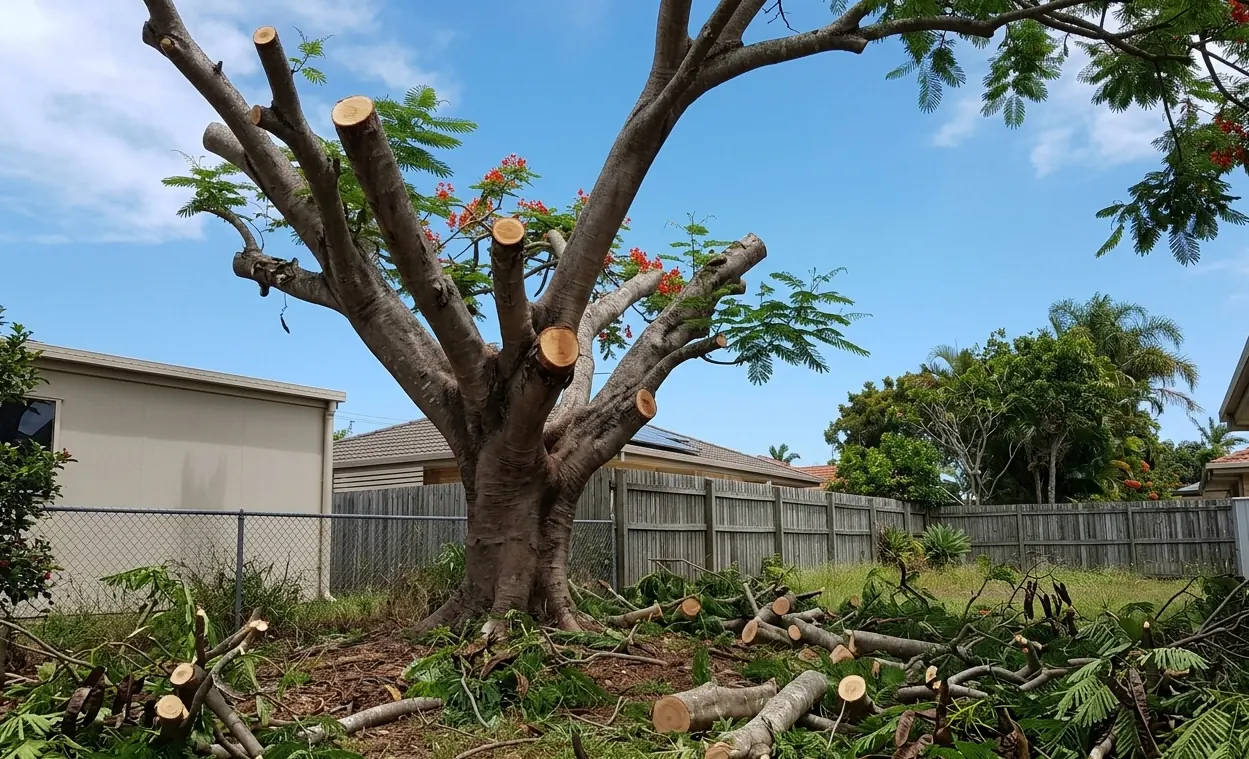
Overhanging and overcrowding branches removed cleanly, without damage to the remaining tree structure.
Hedge Trimming
Boundary hedges, feature hedges and garden borders brought back to a crisp, even line.
Shrub Shaping
Overgrown shrubs and ornamental plants reshaped and sized back down to something manageable.
Canopy Reduction
Tree canopies thinned and reduced to let more light in and take pressure off nearby structures.
Palm Trimming
Dead fronds, spent flower stalks and untidy palm growth cleared for a clean, tidy result.
Green Waste Removal
Cut material cleared from the property and removed — no pile left behind for you to deal with.
A Sharp Hedge Changes the Whole Street View
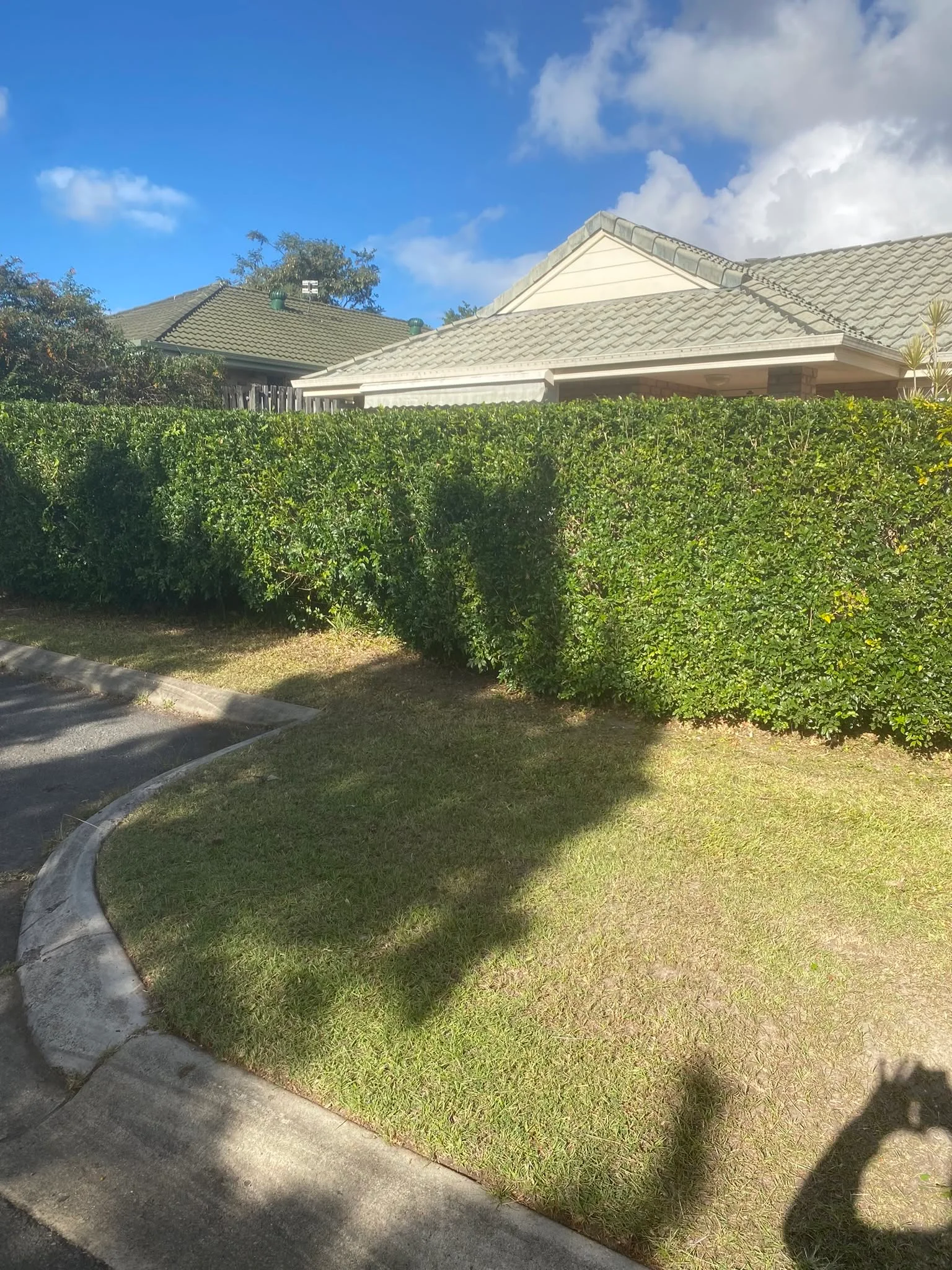
There's something about a well-trimmed hedge that pulls the whole front of a property together. It's one of those jobs that looks simple from the footpath but takes the right equipment, a steady hand and a good eye for a straight line to get right consistently.
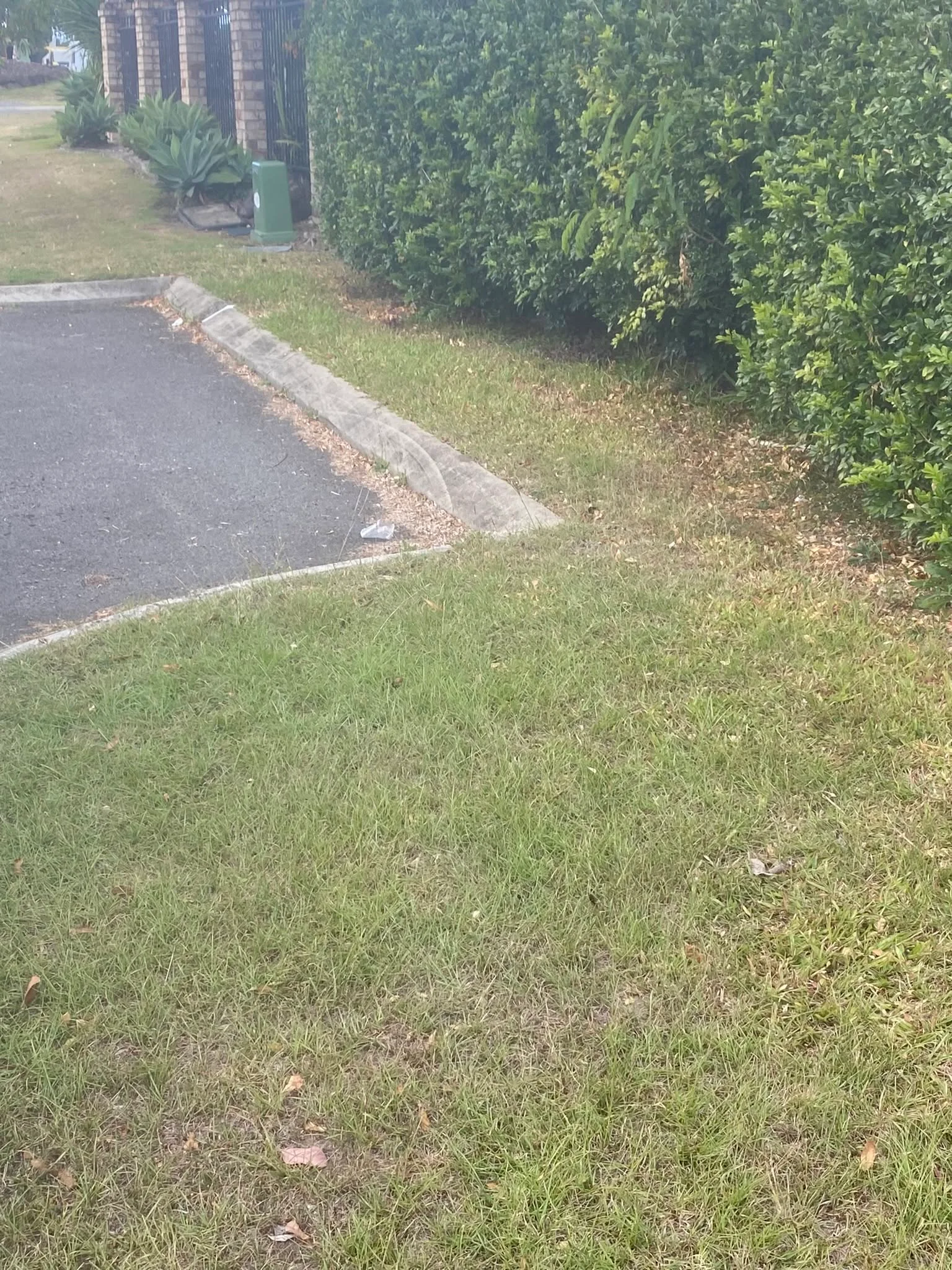
Boundary hedges that are let go for too long become genuinely difficult to bring back — they thicken from the outside in and lose their internal structure. Catching them on a regular schedule keeps them dense, healthy and far easier to maintain visit to visit.
We trim hedges of all varieties across Molendinar, from low garden borders to tall privacy screens, and we leave the lines clean and even every time.
Book a Hedge Trim